
Expert Picks For Sunroom Installation Essentials You Need
Find out which products professionals recommend for creating a beautiful and long-lasting sunroom.
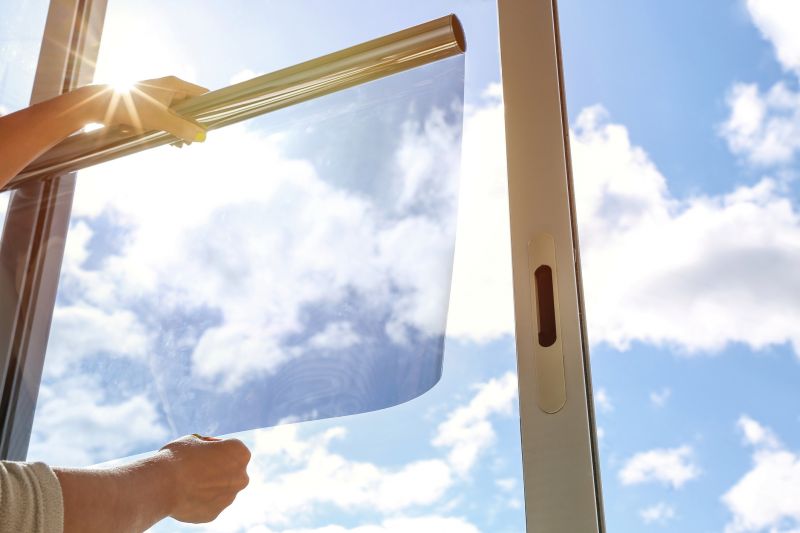 Creating a sunroom in your home can be an enriching way to enjoy natural light and outdoor views while maintaining comfort indoors. When considering products for sunroom installations, it is essential to focus on durability, functionality, and aesthetic compatibility. Sunroom projects often involve a combination of structural components, glazing options, and finishing materials to achieve a seamless integration with existing architecture. Selecting the right products can influence the longevity and usability of the space, making careful consideration vital.
Top Overall Option
Versatile Sunroom Framing System
A flexible framing system designed to accommodate various materials and configurations, offering durability and ease of installation. This system supports multiple glazing options and can be customized to fit different architectural styles, making it a comprehensive choice for sunroom projects.
Types of Products For Sunroom Installations
Aluminum Framing
Known for strength and low maintenance, aluminum framing provides a sleek look and resistance to corrosion, suitable for various climates.
Vinyl Framing
A cost-effective and low-maintenance option that offers good insulation properties and weather resistance.
Wood Framing
Provides a traditional aesthetic with natural warmth, requiring regular maintenance for longevity.
Tempered Glass Panels
Offers high durability and safety, allowing maximum light transmission and insulation.
Acrylic Panels
Lightweight and shatter-resistant, suitable for budget-conscious projects with good clarity.
Polycarbonate Sheets
Durable and impact-resistant, ideal for areas requiring extra protection from elements.
Weatherproof Flooring
Options include tile, vinyl, and composite decking, designed to withstand moisture and foot traffic.
Skylights
Enhance natural light and ventilation, available in various shapes and sizes.
Weatherstripping and Seals
Ensure airtight and watertight integrity, improving energy efficiency.
Lighting Fixtures
Energy-efficient LED options to illuminate the sunroom comfortably during evening hours.
Window Treatments
Blinds, shades, or curtains to control light and privacy within the sunroom.
Insulation Materials
Foam or fiberglass insulation to improve temperature regulation and energy efficiency.
Roofing Materials
Options include polycarbonate panels, shingles, or metal roofing suitable for sunroom extensions.
Gutter Systems
Proper drainage solutions to prevent water accumulation and protect the structure.
Ventilation Components
Ceiling fans, exhaust fans, or operable windows to promote air circulation.
Decorative Elements
Architectural accents, trim, and moldings to enhance aesthetic appeal.
Popular Choices
Widely used for its durability and modern appearance, suitable for various climates.
Popular for its affordability and low maintenance needs, often chosen for residential projects.
Favored for safety and clarity, allowing ample natural light.
Known for impact resistance and versatility in design.
Commonly added to enhance daylight and ventilation.
Selected for durability and ease of cleaning in high-traffic areas.
Essential for maintaining energy efficiency and preventing leaks.
Popular for energy savings and adjustable ambiance.
Offer light control and privacy, available in various styles.
Key for maintaining comfortable temperatures year-round.
Chosen for their durability and ability to withstand weather conditions.
Important for protecting the structure from water damage.
Provide air circulation and comfort during warmer months.
Sunroom construction typically begins with framing materials that support the structure and withstand local weather conditions. Common options include aluminum, vinyl, and wood, each offering different benefits in terms of maintenance and appearance. The choice of glazing is equally important, as it impacts insulation, light transmission, and energy efficiency. Options such as tempered glass, acrylic panels, or polycarbonate sheets are popular, each catering to specific needs and budgets.
Interior finishes and accessories also play a significant role in customizing the sunroom experience. These can include weatherproof flooring, lighting fixtures, and window treatments that enhance comfort and style. Proper sealing and insulation are crucial for maintaining temperature control and preventing drafts. When selecting products, it is advisable to consider compatibility with existing home systems and future maintenance requirements to ensure a hassle-free addition to your property.
Overall, the key to a successful sunroom installation lies in choosing high-quality, versatile products that meet your specific needs while fitting within your budget. Whether you are aiming for a simple extension or a more elaborate space, understanding the options available can help you create a functional and inviting environment that enhances your home’s value and enjoyment.
Key Buying Considerations
- Material durability and maintenance requirements
- Compatibility with existing home architecture
- Climate suitability and weather resistance
- Insulation and energy efficiency properties
- Light transmission and glazing options
- Ease of installation and customization options
- Budget constraints and long-term value
- Aesthetic appeal and style compatibility
- Availability of accessories and finishing options
- Warranty and manufacturer support
- Waterproofing and sealing features
- Ventilation and airflow capabilities
- Safety features such as tempered or impact-resistant glass
- Environmental factors like UV protection or glare reduction
- Local building codes and permit requirements